Perjury and related offences such as making false reports, interfering with witnesses, and destroying evidence are treated extremely seriously by Victorian courts. These offences strike at the integrity of the justice system and frequently carry substantial terms of imprisonment.
If you have been charged with any of the offences outlined below, or believe you may be under investigation, you should obtain legal advice immediately.
Perjury
Section 314 – Crimes Act 1958 (Vic)
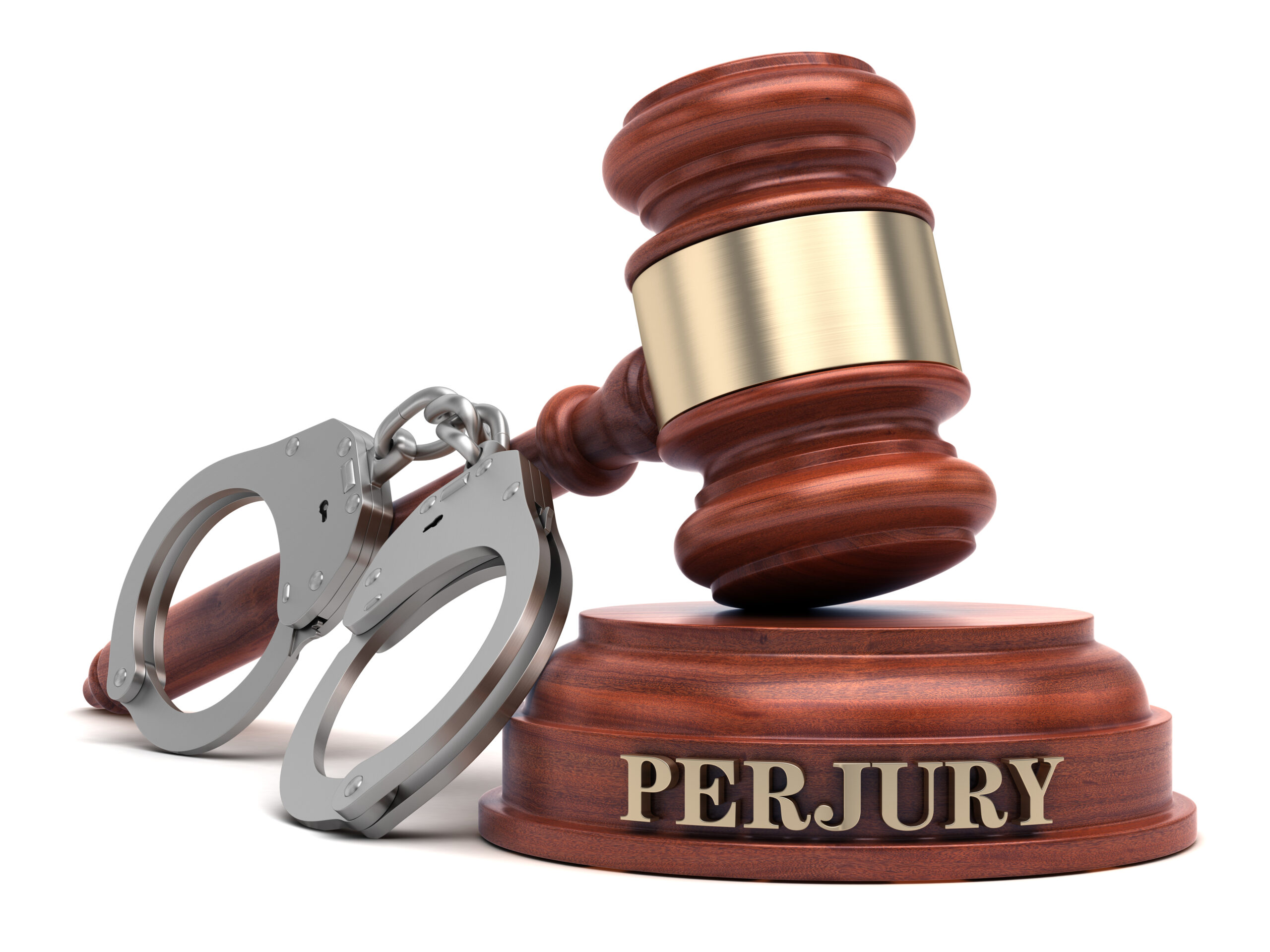
Perjury occurs when a person wilfully and corruptly makes a false statement under oath in judicial proceedings. It is one of the most serious offences against the administration of justice and carries a maximum penalty of 15 years’ imprisonment (Level 4).
What Must Be Proved?
To secure a conviction, the prosecution must establish beyond reasonable doubt that:
Each element must be strictly proved.
False Statement
The statement must be objectively false – not merely mistaken. An honest mistake or faulty recollection does not amount to perjury.
In R v Carroll, the High Court confirmed that falsity must be strictly established and that honest mistake negates criminal liability.
Lawful Oath Requirement
The oath or affirmation must be lawfully administered. If it was not legally binding, perjury cannot be made out (see R v O’Meally).
Materiality
A statement is “material” if it is capable of influencing the tribunal’s determination. It need not actually affect the outcome.
In Traino v R, the Court confirmed that materiality is a question of law for the judge.
Mental Element – “Wilfully and Corruptly”
The accused must:
Recklessness or carelessness is insufficient. In R v Millward, it was emphasised that mistaken or careless statements do not constitute perjury.
Making False Reports
It is an offence in Victoria to knowingly make a false report to police. This offence may be punishable by a fine or imprisonment of up to one year. False reporting wastes police resources and may interfere with criminal investigations.
Destruction of Evidence
A person who knowingly destroys, conceals or interferes with evidence required in legal proceedings with the intention of preventing its use may be charged with an indictable offence. This conduct can attract penalties of up to five years’ imprisonment.
Interfering with Witnesses
Interfering with or attempting to influence a witness may amount to criminal contempt of court or other indictable offences. Courts treat such conduct as a serious attack on the administration of justice and imprisonment is a real possibility.
Concealing Offences for Benefit
Accepting a benefit in exchange for concealing a serious indictable offence is an offence under the Crimes Act 1958 and may result in imprisonment of up to one year.
Need to speak with a lawyer?
Our experienced lawyers are here to help you understand your legal rights and options. Contact us for a confidential discussion about your situation.