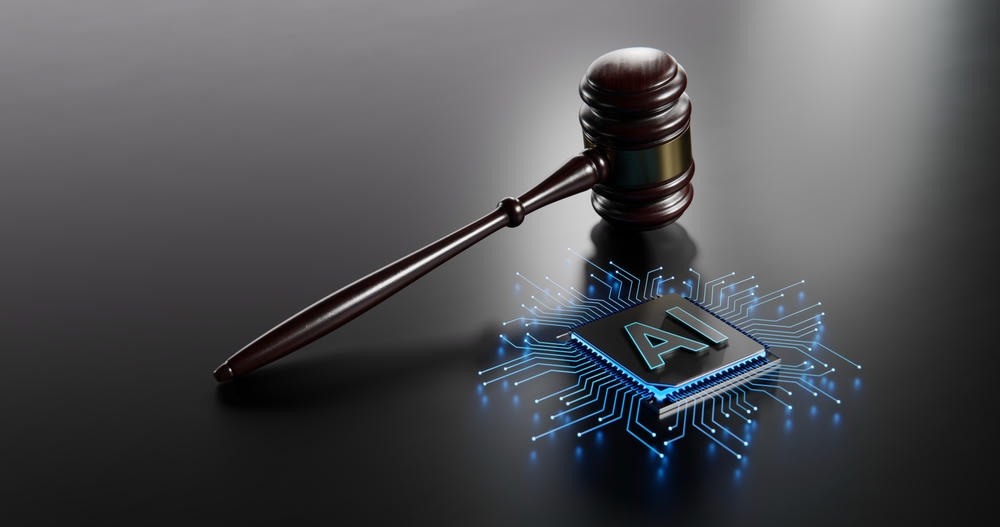
Artificial intelligence has made it possible to create convincing photographs, videos and audio recordings of people doing or saying things that never actually happened.
What was once difficult technology to access can now be available through everyday apps and online tools.
But creating something with AI does not mean it exists outside the law.
As deepfake technology becomes more accessible, Australian criminal law is increasingly being required to deal with what happens when AI-generated material is used to harass, threaten, humiliate, impersonate or sexually exploit another person.
What is a deepfake?
A deepfake is generally an image, video or audio recording that has been digitally manipulated or generated to realistically depict a person doing or saying something they did not actually do or say.
The technology itself is not necessarily unlawful.
The problem is how it is used.
An AI-generated joke between friends is very different from creating intimate material depicting another person without their consent, using someone’s likeness to threaten them or distributing manipulated content as part of ongoing harassment.
Can creating a sexual deepfake be a criminal offence?
Potentially, yes.
Australia has introduced Commonwealth criminal offences dealing specifically with sexually explicit material that has been created or altered using technology, including artificial intelligence.
The legislation recognises that a realistic sexual image does not need to be genuine for the harm caused by its creation or distribution to be very real.
In 2026, Australia’s first prosecution under federal laws targeting the creation or alteration of sexual material without consent brought significant attention to this developing area of criminal law.
What about sharing a deepfake?
Creating material and distributing it can raise different legal issues.
Sending AI-generated intimate material to friends, posting it online or distributing it through messaging applications can potentially expose a person to serious criminal consequences.
Depending on the circumstances, other offences concerning harassment, stalking, threats, telecommunications services or image-based abuse may also become relevant.
The fact that an image is “fake” does not necessarily provide a defence.
AI evidence is creating another problem for Courts
Deepfakes are not only creating new types of alleged offending. They are also creating new questions about evidence.
Photos, videos and audio recordings have traditionally been powerful pieces of evidence because people tend to believe what they can see and hear.
Generative AI complicates that assumption.
Courts may increasingly need to determine whether digital evidence is authentic, manipulated or entirely artificial. The Victorian Law Reform Commission has specifically identified deepfake evidence as a developing issue for Courts, prosecutors, lawyers and expert witnesses.
That issue is unlikely to remain confined to one jurisdiction.
Don’t assume something online is anonymous
Another misconception is that using an anonymous account, encrypted application or AI platform means conduct cannot be traced back to the person responsible.
Criminal investigations increasingly involve digital evidence, including account information, devices, communications and other electronic records.
Deleting content after the event also does not necessarily mean that the material or evidence of its distribution has disappeared.
What should you do if Police contact you?
If Police contact you about AI-generated material, image-based abuse or online communications, obtain legal advice before participating in an interview.
These investigations can involve significant amounts of digital evidence and potentially serious Commonwealth or State offences.
Trying to explain that something was “only AI”, “not a real photograph” or “just a joke” may not resolve the legal issue.
The precise content, how it was created, whether consent existed, what was done with it and the intention behind the conduct can all become important.
A rapidly developing area of criminal law
AI technology is developing far faster than traditional legislation ever has.
We expect disputes involving deepfakes, AI-generated communications and manipulated digital evidence to become increasingly common within Australian criminal proceedings.
At EAS Legal, our Criminal Law team assists clients facing serious and emerging criminal allegations across Australia.
When technology changes, the evidence may change with it — but what you do immediately after becoming aware of a criminal investigation remains critically important.
Frequently Asked Questions
Are deepfakes illegal in Australia?
Not every deepfake is automatically unlawful. Criminal liability depends on what was created, the circumstances and what was done with the material.
Is creating an AI-generated intimate image of somebody illegal?
It potentially can be. Commonwealth legislation specifically addresses certain sexually explicit material created or altered using technology without consent.
Can I be charged even though the image isn’t real?
Potentially, yes. The fact that an image was artificially generated does not automatically prevent criminal liability.
Can Police investigate anonymous social media accounts?
Yes. The use of an anonymous username does not necessarily prevent investigators from attempting to identify the person responsible.
What should I do if Police want to interview me about online material?
Obtain criminal law advice before participating in an interview. Digital investigations can involve evidence and offences that may not be immediately obvious from the questions Police initially ask.
Need to speak with a lawyer?
Our experienced lawyers are here to help you understand your legal rights and options. Contact us for a confidential discussion about your situation.