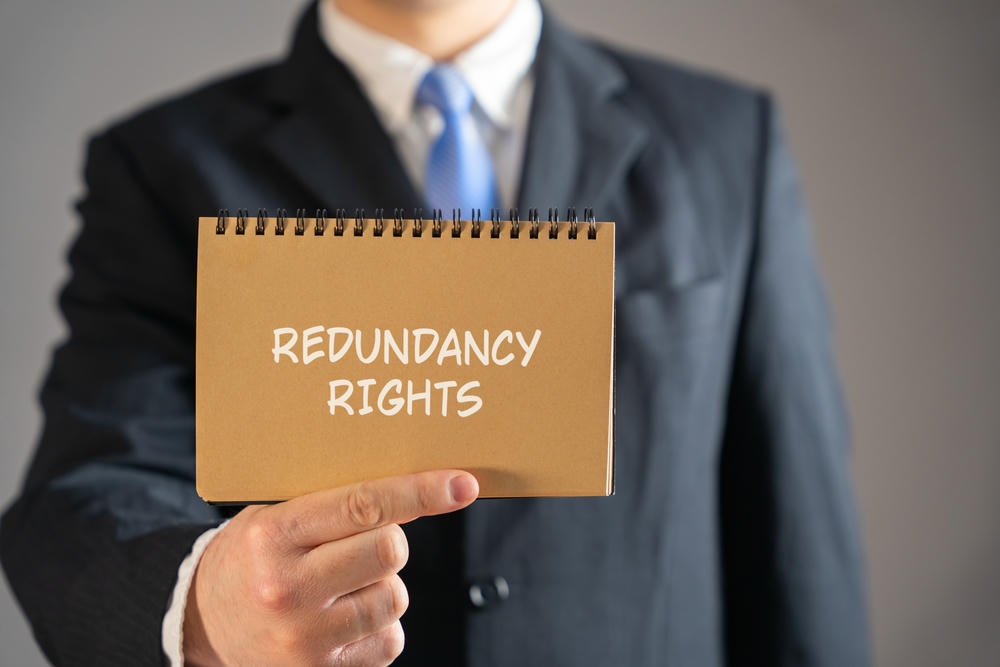
Being told that your position has been made redundant can come as a shock.
But one of the most important things employees should understand is that an employer cannot simply label a termination a “redundancy” and assume that is the end of the matter.
For a redundancy to be genuine under Australian workplace law, particular requirements need to be satisfied. If they are not, an employee may potentially have grounds to challenge the termination.
What is a genuine redundancy?
At its simplest, redundancy occurs when an employer no longer requires a particular job to be performed by anyone because of changes in the operational requirements of the business.
This might happen because a business restructures, introduces new technology, experiences a downturn, closes a particular division, relocates or reorganises how work is performed.
The important point is that it is the position that becomes redundant — not simply the employee.
If an employer terminates one employee and then hires somebody else to perform essentially the same role, questions may arise about whether the redundancy was genuinely required.
Three important questions to ask
When assessing whether a redundancy is genuine, there are generally three key issues to consider.
First, does the employer genuinely no longer require the employee’s job to be performed by anyone because of operational changes?
Second, if an award or enterprise agreement applies, did the employer comply with any applicable consultation obligations?
Third, was there a reasonable opportunity to redeploy the employee elsewhere within the employer’s business or an associated entity?
If these requirements are not satisfied, what has been described as a redundancy may not qualify as a genuine redundancy for unfair dismissal purposes.
“They gave my job to someone else”
This is one of the most common concerns we hear from employees.
Sometimes a restructure legitimately involves distributing the duties of a redundant position among several existing employees. The fact that some of your previous duties continue to be performed does not automatically mean the redundancy is invalid.
However, the situation may warrant closer examination if another employee is immediately placed into substantially the same position, or a new employee is recruited to perform essentially the same job.
The substance of what occurred is more important than the title given to the process.
What about consultation?
Consultation is another area that can cause problems.
Many modern awards and enterprise agreements contain requirements requiring employers to consult employees about major workplace changes, which can include proposed redundancies.
Depending on the applicable instrument, this can require the employer to provide information about the proposed changes, discuss their likely effects and consider suggestions about ways to reduce adverse consequences.
Consultation should be meaningful. Simply telling an employee that a final decision has already been made may not always satisfy the relevant obligations.
Could you have been redeployed?
Before concluding that a redundancy is genuine for unfair dismissal purposes, consideration may also need to be given to whether it would have been reasonable to redeploy the employee.
This can extend beyond the employee’s immediate team or existing position and may, depending on the circumstances, include positions elsewhere within the business or an associated entity.
Whether redeployment was reasonable will depend on factors such as available roles, the employee’s skills and experience, location, remuneration and the circumstances of the business.
Redundancy pay is a separate question
Whether a redundancy is genuine and whether an employee is entitled to redundancy pay are related but separate issues.
An employee’s entitlements may depend on factors including their length of service, the size of the employer, their employment arrangements and any applicable award, enterprise agreement or employment contract.
Employees should also check their final pay carefully, including outstanding wages, notice, accrued annual leave and any redundancy entitlement.
Don’t wait too long to get advice
This is particularly important.
If you believe your redundancy may actually have been an unfair dismissal, strict time limits can apply. An unfair dismissal application generally needs to be lodged with the Fair Work Commission within 21 days after the dismissal takes effect.
That means waiting several weeks to see what happens can significantly affect your options.
At EAS Legal, our Employment Law team assists employees and employers with redundancies, workplace restructures, unfair dismissal and general protections matters across Australia.
If something about your redundancy does not feel right — particularly if your job still appears to exist — it is worth obtaining advice early.
Calling something a redundancy does not necessarily make it one.
Frequently Asked Questions
Need to speak with a lawyer?
Our experienced lawyers are here to help you understand your legal rights and options. Contact us for a confidential discussion about your situation.